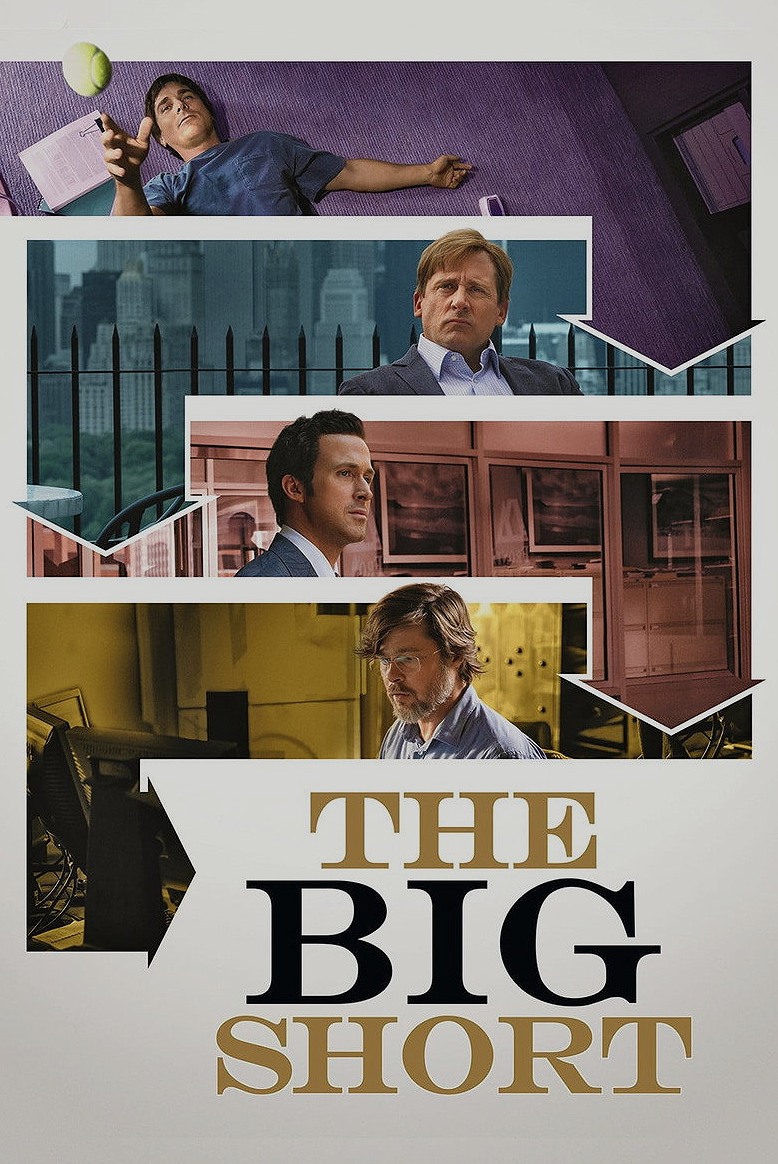
Have you ever wondered how the rich get richer while others go bankrupt? The Big Short is the film that answers that question with gusto, presenting the story of a group who saw the US housing bubble before anyone else and decided to bet on the downfall of giant banks. The film not only tells a financial story but also sharply satirizes society and capitalism.
Plot Summary (No Spoilers)
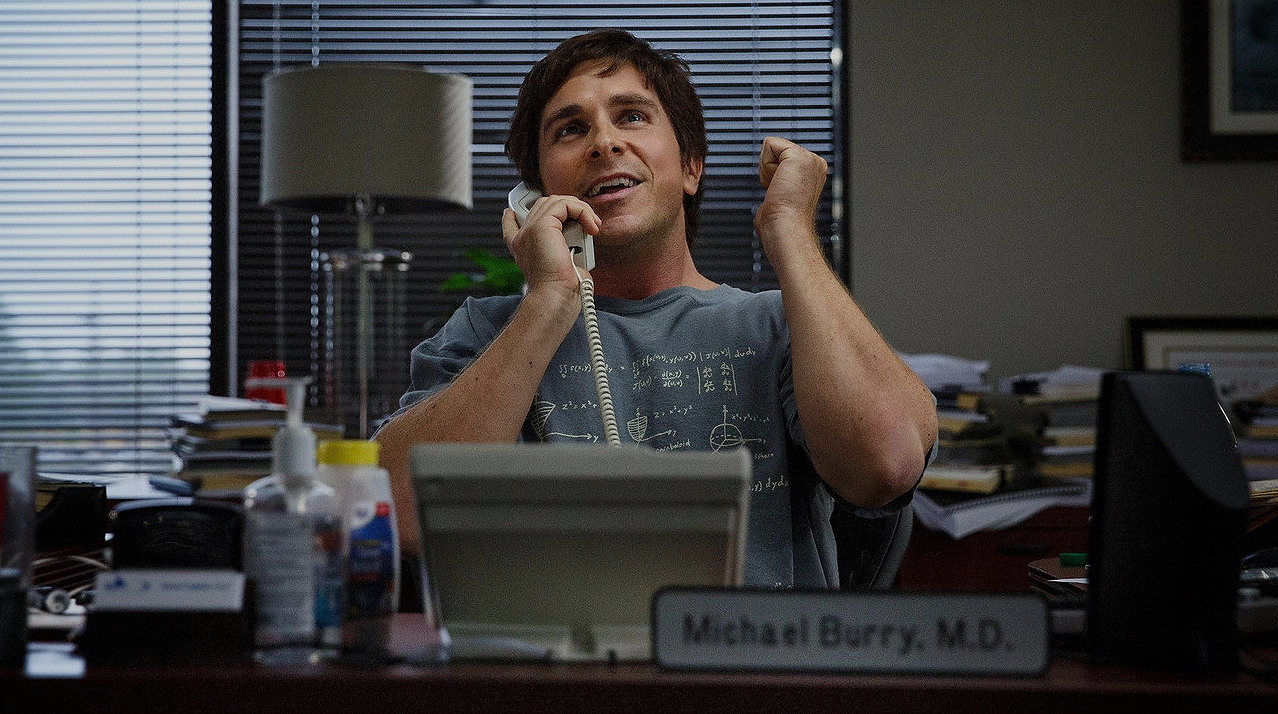
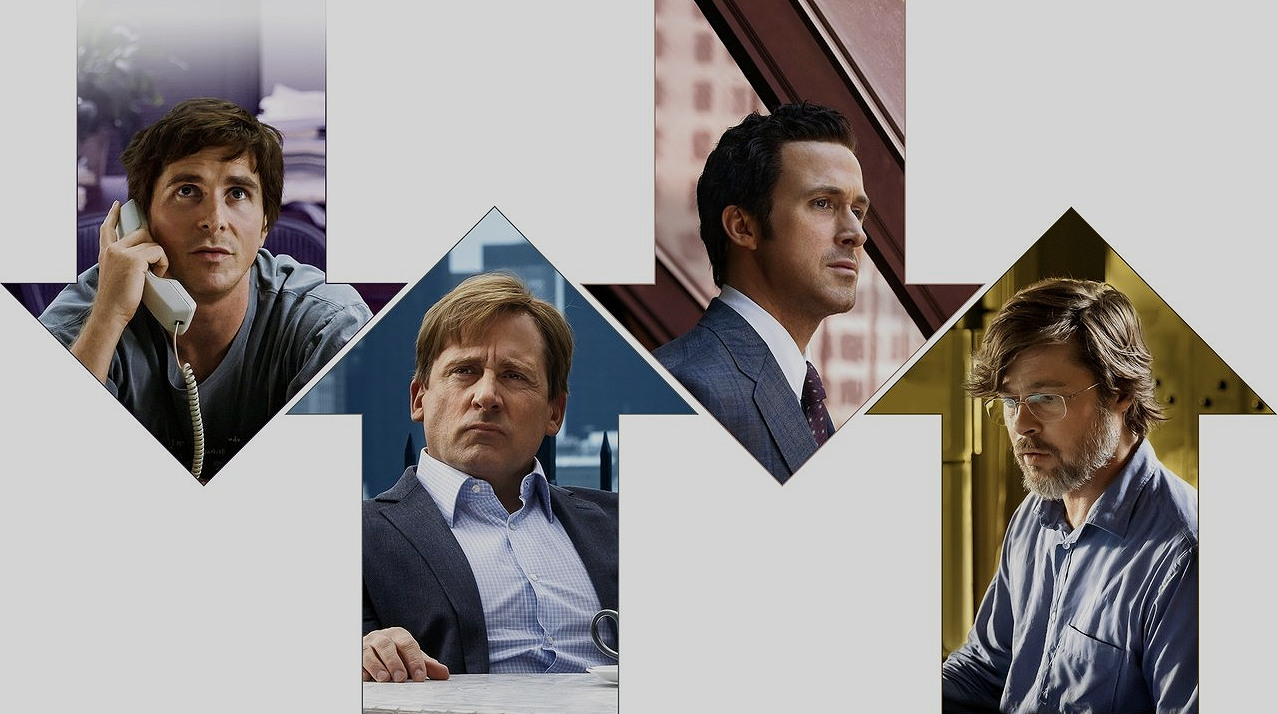
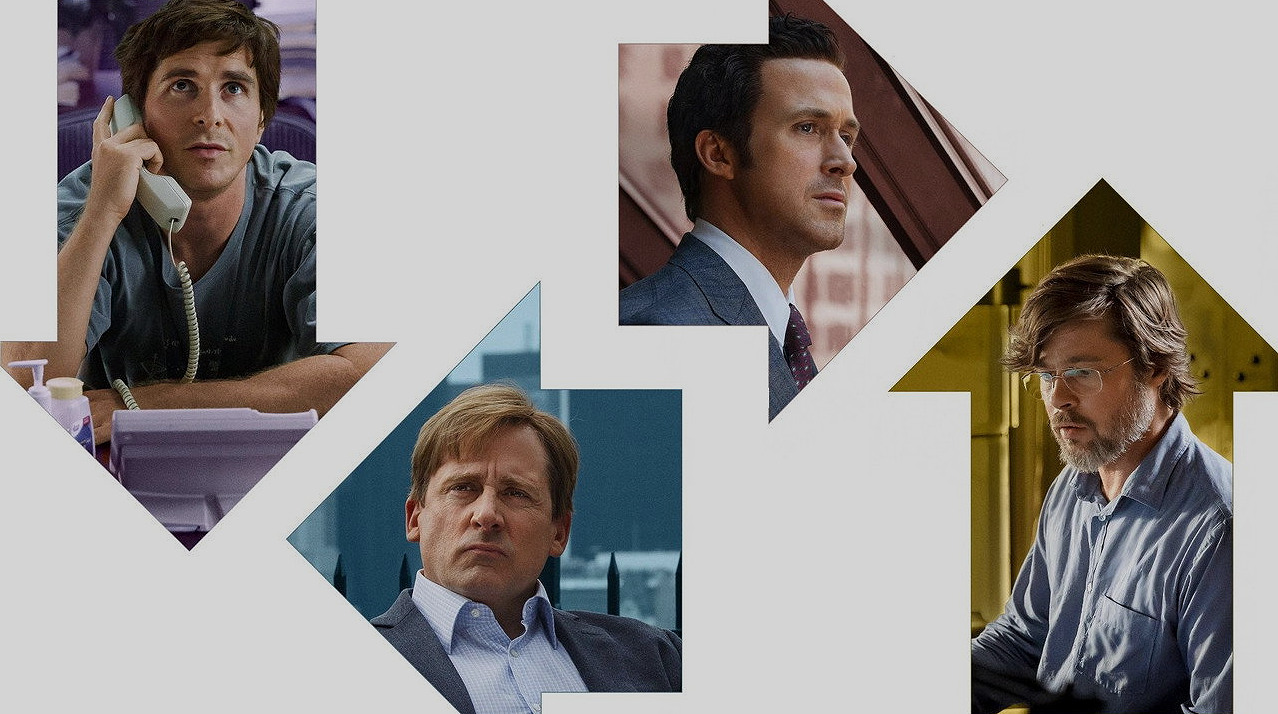
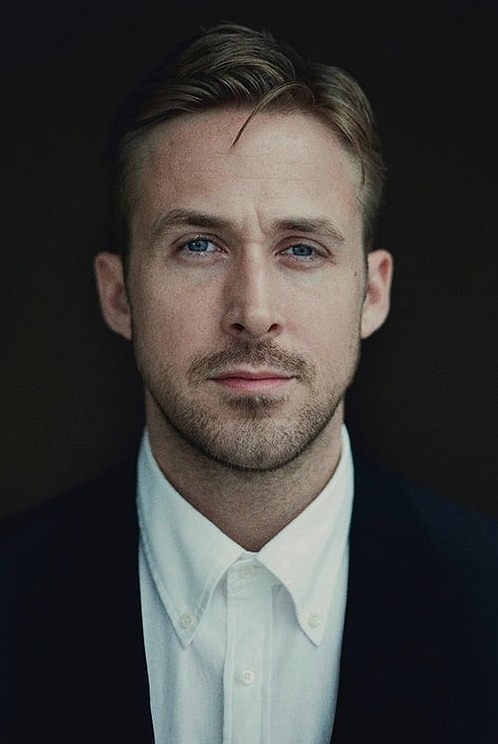
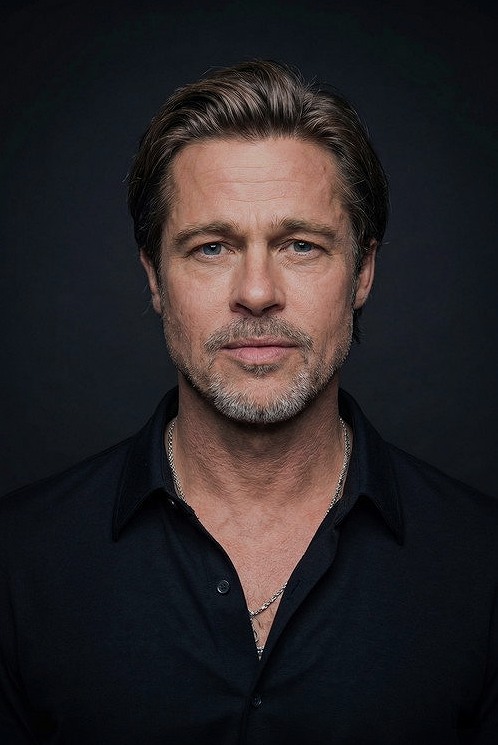
The film opens with Michael Burry (Christian Bale), an eccentric genius investor who discovers that the subprime market is about to collapse. He creates a financial instrument called a 'Credit Default Swap' to bet against the market. Later, Jared Vennett (Ryan Gosling), a trader from Deutsche Bank, hears about this and spreads the word to Mark Baum (Steve Carell), an investor disgusted with the financial system. They begin investigating and find that banks are selling bad loans to investors unknowingly. Meanwhile, Ben Rickert (Brad Pitt), a retired trader, helps two young entrepreneurs invest in the same idea. The film explains financial terms creatively, using celebrities or analogies to make them understandable.
Acting and Characters
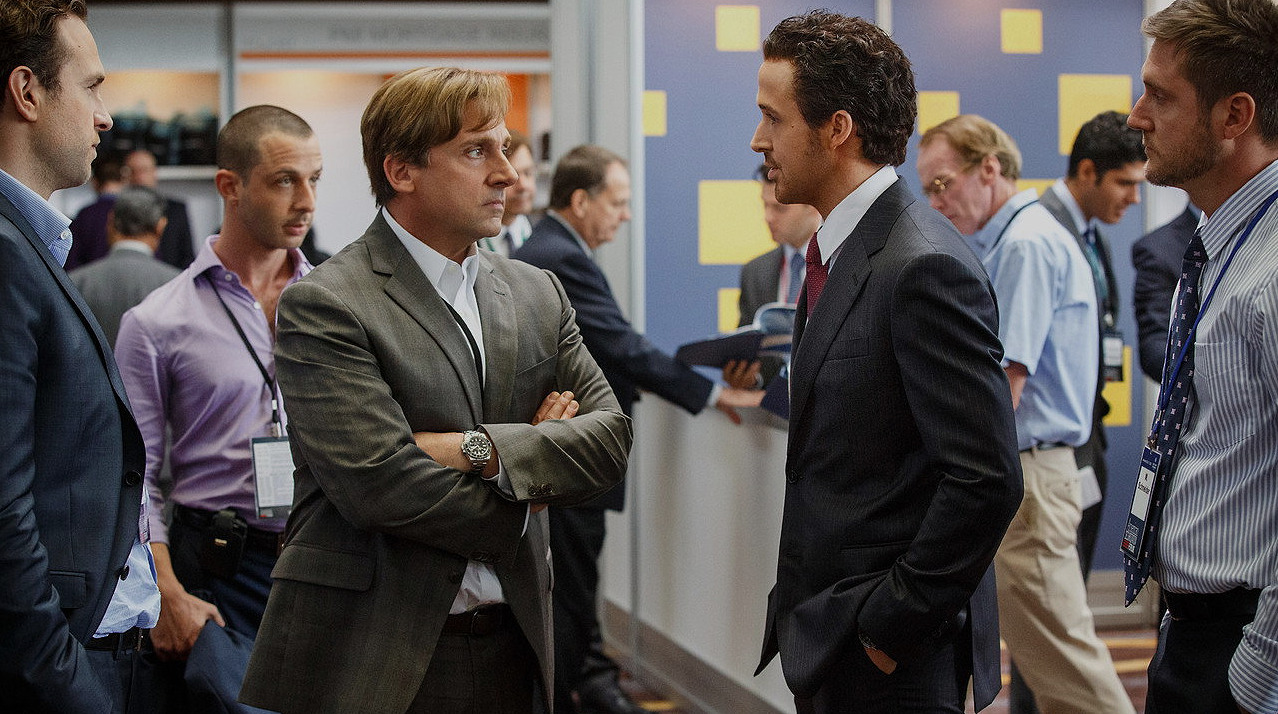
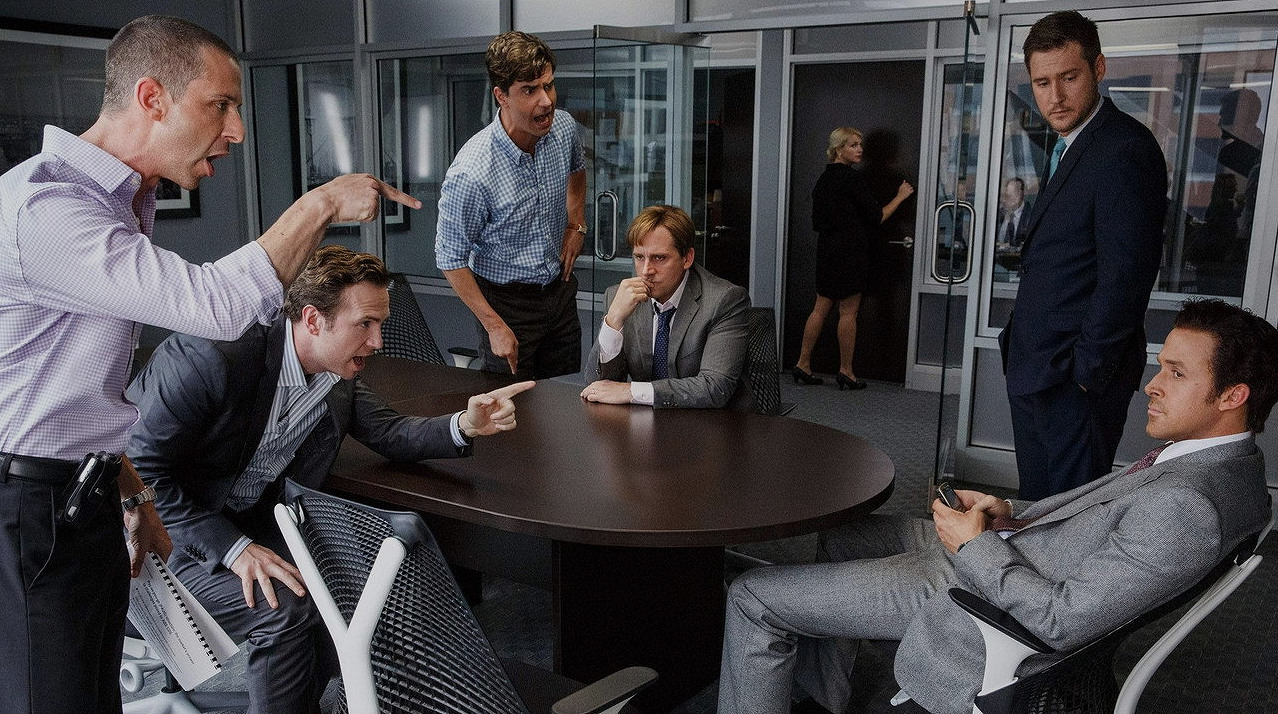
Christian Bale delivers a stunning performance as Michael Burry, capturing his nervous tics and unwavering confidence in his data. He makes the audience both sympathize with and admire his determination. Steve Carell as Mark Baum powerfully portrays anger at the greed of financial institutions, especially in scenes where he inspects housing in Florida. Ryan Gosling plays Jared Vennett as charming and articulate but sly, making us smile. Brad Pitt as Ben Rickert, though with limited screen time, brings a calm and strategic presence. All actors work together seamlessly, bringing abstract characters to life.
Direction, Cinematography, and Music
Adam McKay, known for satirical comedies, shifts gears to tell a financial story with sharp precision. He uses fast-paced editing and tight rhythm to make complex subjects engaging and fun. The use of 'When the Levee Breaks' by Led Zeppelin during the climax enhances the sense of disaster. The documentary-style cinematography makes us feel part of real events, especially scenes shot on location on Wall Street. The production elevates the film from a finance lesson to an exciting and emotional experience.
Editorial Analysis
The Big Short is not just about financial gambling; it reflects the failure of a system that allows the rich to play games with the lives of the poor. The film questions the ethics of investors profiting from others' suffering. Even though the characters succeed financially, they don't feel proud, realizing they won because others lost. The film makes us think about social inequality and how the financial system favors certain groups. If you enjoy films that stimulate both mind and heart, or are interested in personal finance, check out more about investment concepts from หนังเรทอาร์ญี่ปุ่น.
Verdict
The Big Short is a must-watch film, whether you're interested in finance or not, because it teaches you about the system that governs us all. With award-worthy performances, thought-provoking content, and embedded humor, it's memorable and worth your time.
Screenshots
👍 Pros
- +Explains complex finance in creative, easy-to-understand ways
- +Outstanding performances, especially Christian Bale and Steve Carell
- +Sharp dialogue that satirizes society and capitalism
👎 Cons
- −Some characters have limited screen time, like Brad Pitt
- −The middle section may drag for those uninterested in financial details
Top Cast



FAQ
Yes, the film is adapted from Michael Lewis's book 'The Big Short', which is based on real events of investors betting against the 2008 subprime crisis.
Absolutely. The film explains financial terms like CDO and CDS using relatable examples, such as celebrities or analogies, making it enjoyable for everyone.
No, but there is a final scene with a financial lesson worth watching until the end.